
Natural Gas Investments: How Domestic Drilling and Operating Helps You Profit from Oil and Gas Wells
Key Takeaways
- Natural gas remains a cornerstone of U.S. energy, supplying roughly 40% of electricity generation and supporting growing demand from power plants, industrial facilities, and LNG export terminals through 2035 and beyond.
- Modern oil wells in key U.S. basins like the Permian, Eagle Ford, and Anadarko often produce both crude oil and associated natural gas, creating two revenue streams from a single investment.
- When you partner with Domestic Drilling and Operating on an oil and gas well, you automatically participate in the well’s natural gas production and cash flow without needing a separate gas-only investment.
- Direct well participation offers unique U.S. tax advantages—including intangible drilling cost deductions and depletion allowances—that are not available through natural gas stocks or ETFs.
- The combination of domestic resource depth, mature infrastructure, and multi-commodity production supports a compelling long-term case for carefully structured well investments.
The natural gas industry has evolved from treating gas as an inconvenient byproduct to recognizing it as one of the most valuable energy sources in the American economy. For individual investors looking beyond traditional energy stocks and volatile futures markets, direct participation in oil and gas wells offers something different: the opportunity to earn from both oil production and natural gas production through a single investment.
This guide is for accredited investors and individuals interested in direct participation in U.S. oil and gas wells. Understanding natural gas investment is crucial as the energy sector evolves and new opportunities emerge for portfolio diversification and tax advantages.
This guide explains why natural gas investment matters in today’s energy landscape, how Domestic Drilling and Operating structures opportunities that automatically include natural gas exposure, and what you need to know before committing capital.
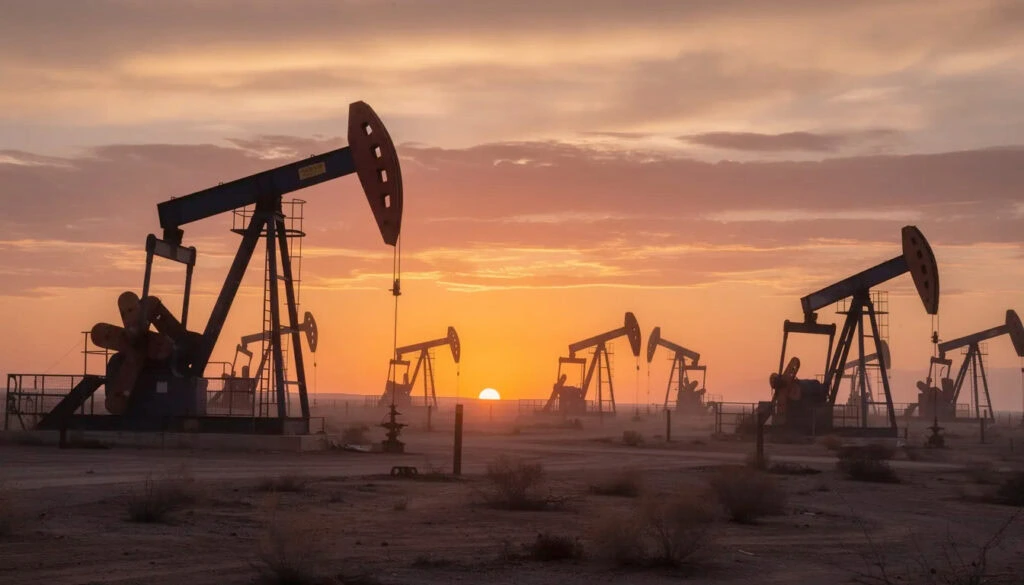
A Fuel of Choice for the U.S. Energy Mix
Natural Gas in Power Generation
Natural gas has shifted from a byproduct to a core fuel in the American energy system. Over the past two decades, power generation has increasingly relied on gas-fired plants, fundamentally reshaping how the country produces electricity.
According to the Energy Information Administration, natural gas has supplied roughly 39–41% of U.S. electricity generation in recent years. This makes it the single largest source of power, outpacing coal, nuclear, and renewable energy combined in many months. The fuel is critical for grid reliability, especially as intermittent sources like wind and solar expand.
Benefits for Utilities and Industry
Why utilities and industrial users favor natural gas:
Factor | Benefit |
|---|---|
Abundant domestic supply | Reduced reliance on imports, stable pricing |
Lower emissions vs. coal | Roughly 50% less CO₂ per unit of energy |
Flexible operation | Plants can ramp up or down quickly to meet demand |
Established infrastructure | Extensive pipelines and processing plants already in place |
Investor Opportunity from Macro Demand
This macro demand translates directly to investor opportunity. More natural gas powered plants, petrochemical facilities, and export terminals mean ongoing demand for new producing wells and the volumes they supply. When you invest in natural gas through direct well participation, you’re tapping into this fundamental demand driver.
Why Natural Gas Investment Still Matters in the Energy Transition
The Role of Natural Gas as a Bridge Fuel
The energy transition does not eliminate fossil fuels overnight. Instead, it reshapes demand patterns, with gas acting as a bridge fuel over the next couple of decades.
Policy and economics have driven a significant shift from coal to natural gas for power generation. This switch has cut CO₂ and particulate emissions while maintaining baseload power that renewables cannot yet fully replace. The International Energy Agency and Energy Information Administration both project continued demand for natural gas into the 2030s, particularly for:
Key Uses for Natural Gas in the Energy Transition:
Power generation backup for intermittent renewables
Industrial feedstocks for chemicals and fertilizers
Home heating in colder regions
LNG exports to Europe and Asia
Supporting Renewables and Grid Reliability
Renewables like wind and solar need fast-ramping backup when the sun sets or wind dies down. Gas-fired plants fill this gap efficiently, which supports long-term need for reliable supply from domestic wells.
As the grid becomes more renewable-heavy, flexible, low-cost natural gas from domestic wells remains essential. This reinforces the long-run case for gas-linked investments, even as climate change concerns drive policy changes in other areas of the energy sector.
Plentiful U.S. Supply and Advanced Production Capabilities
Scale of U.S. Natural Gas Resources
The scale of U.S. natural gas resources is staggering. At today’s consumption rates, the country holds many decades of technically recoverable gas—some estimates suggest over 100 years of supply at current production levels.
Technological Advancements in Production
Horizontal drilling and hydraulic fracturing transformed basins like the Marcellus, Haynesville, Barnett, and Permian Basin into world-class gas and associated-gas plays. These technological advancements unlocked reserves that were previously considered economically viable only at much higher prices.
Key milestones in U.S. natural gas production:
Around 2011–2012, the U.S. passed Russia to become the world’s largest natural gas producer
Production reached approximately 104 billion cubic feet per day in 2024
Export capacity expanded dramatically with new LNG terminals on the Gulf Coast
The global supply picture shifted as U.S. gas became available to international markets
Infrastructure and Market Access
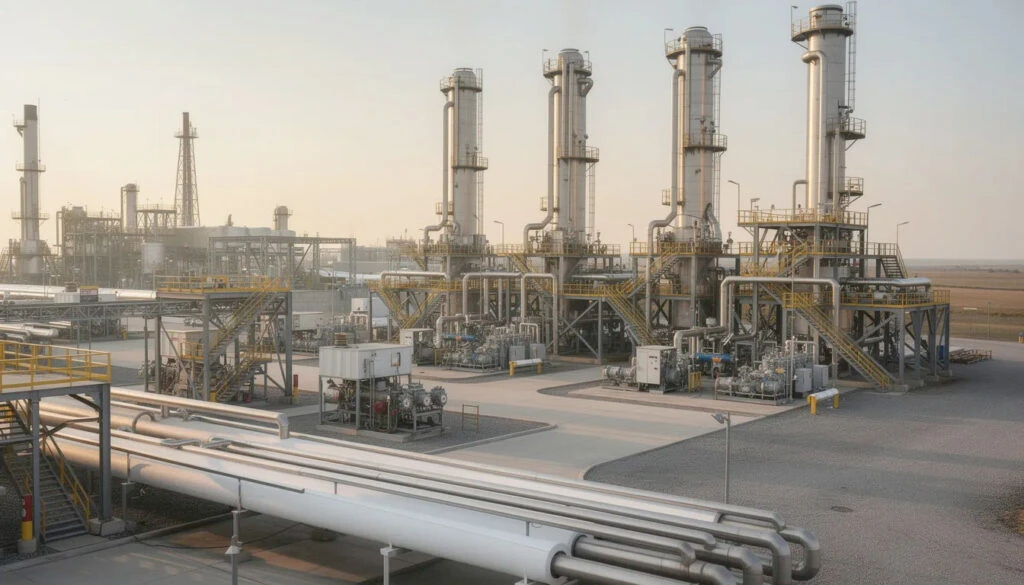
This mature infrastructure—pipelines, processing plants, storage facilities, and gathering systems—allows Domestic Drilling and Operating to connect new wells to market efficiently. When a well comes online, the path to revenue is already established.
Abundant resources plus modern drilling technology creates a predictable operating environment for well-level investments, even as commodity prices move up and down with market volatility.
Testimonials
Read What Real Investors Say about Domestic Drilling & Operating
Here are some reviews from our clients about our turnkey Oil and Gas Investment Opportunities and their outcomes.
4.9/5 Rating
Efficiency, Cost Advantage, and Export Growth
Natural gas is one of the lowest-cost, highest-efficiency fuels from production to end use, making it resilient even in competitive energy markets.
Modern combined-cycle gas plants achieve thermal efficiencies of 60% or higher, far exceeding coal plants. Efficient delivery from wellhead through pipelines to end users minimizes transportation costs compared to moving oil by truck or rail.
The rise of U.S. LNG exports since about 2016 has transformed domestic gas into a global commodity. Major export centers on the Gulf Coast—facilities operated by companies like Cheniere Energy—now ship liquefied natural gas to buyers across Europe and Asia.
U.S. LNG export growth by the numbers:
Metric | Value |
|---|---|
Daily export volume (2024) | ~14 billion cubic feet |
Year-over-year growth | Approximately 15% |
New terminals planned by 2028 | 10+ facilities |
Long-term LNG contracts with international buyers create steady global demand for U.S. gas. This supports natural gas prices and puts a premium on reliable, onshore well production.
Domestic Drilling and Operating wells feed into markets influenced not only by local heating demand but also by global LNG and industrial needs. This adds depth to the revenue story and helps explain why increased supply has not crashed prices as dramatically as some predicted.
Why Natural Gas Can Be More Stable Than Oil Alone
Consider 2020: oil prices briefly went negative as demand collapsed during the pandemic. Meanwhile, natural gas pricing held up relatively better as residential and power demand persisted. People still needed to heat their homes and keep the lights on.
Natural gas demand is heavily driven by electricity generation and heating—uses that tend to be more essential and less sensitive to short-term economic shocks than gasoline or jet fuel demand.
Key factors supporting relative stability:
Residential usage continues regardless of economic conditions
Power generation is essential infrastructure
Storage facilities buffer short-term supply disruptions
Salt caverns and depleted reservoirs hold strategic reserves
When industrial demand declines during recessions, residential and utility usage can cushion natural gas markets, moderating volatility in some downturns.
Natural gas is still a commodity and can be volatile—natural gas futures can swing dramatically based on weather forecasts, storage reports, and geopolitical events. But historically, its price drivers differ enough from oil prices to provide diversification benefits.
Investors who participate in wells that produce both oil and gas can benefit from this mix. When oil is weak, natural gas can help balance cash flow, and vice versa. This built-in hedge is one reason why multi-commodity wells appeal to sophisticated investors.
How Oil and Gas Well Investments Automatically Include Natural Gas
Many “oil wells” in shale and tight formations are actually multi-hydrocarbon assets, producing crude oil, natural gas, and natural gas liquids (NGLs) from the same borehole. For further insight into the future and investment outlook of the oil and gas industry, see this comprehensive analysis.
What is associated gas?
Associated gas is natural gas that comes up along with oil from formations like the Permian Basin, Eagle Ford Shale, SCOOP/STACK in Oklahoma, and others. In the Permian Basin alone, over 40% of U.S. natural gas production comes as associated gas from oil wells.
Typical ratios range from 2 to 5 thousand cubic feet of gas per barrel of oil equivalent. In many wells, this contributes 20–30% of total well economics.
Typical revenue profile of a modern horizontal well:
Phase | Primary Revenue Source |
|---|---|
Early months (0-12) | Dominated by oil revenue |
Mid-life (12-36 months) | Mix of oil, gas, and NGLs |
Tail production (3-20+ years) | Meaningful gas and NGL income continues |
When you partner with Domestic Drilling and Operating on an oil and gas well, you are buying into the well’s natural gas output. Your share of gas revenue is paid alongside oil revenue—no separate transaction required.
This built-in diversification means you do not need to separately select oil-only or gas-only projects to gain exposure to natural gas. It is automatically built into many Domestic Drilling and Operating opportunities.
Why Natural Gas with Domestic Drilling and Operating Is Different
Domestic Drilling and Operating focuses on U.S. oil and gas projects where geology, infrastructure, and contracts support long-term gas production alongside oil. The company targets basins where associated gas volumes can be meaningful over the life of the well.
What Domestic Drilling and Operating handles:
Sourcing prospects with proven reserves
Drilling and completing wells using modern techniques
Managing day-to-day operations
Marketing production to downstream companies
Distributing revenues to investors on a regular schedule (typically monthly or quarterly)
The company structures participation so investors in an oil and gas well receive proportional cash flow from both oil and gas sales. In typical projects, there are no additional capital calls for gas-related infrastructure—gathering lines and midstream companies are already in place.
Example basin targets:
Basin | Location | Gas Profile |
|---|---|---|
Permian | West Texas/New Mexico | High associated gas ratios |
SCOOP/STACK oil production is directly impacted by global oil prices. | Oklahoma | Oil and gas combo plays |
Eagle Ford | South Texas | Varies by location (oil window vs. gas window) |
Tapping into Domestic Drilling and Operating’s in-house technical team and field experience provides advantages over trying to pick individual natural gas stocks or trade natural gas futures independently. The operator has skin in the game and decades of combined experience navigating the natural gas sector.
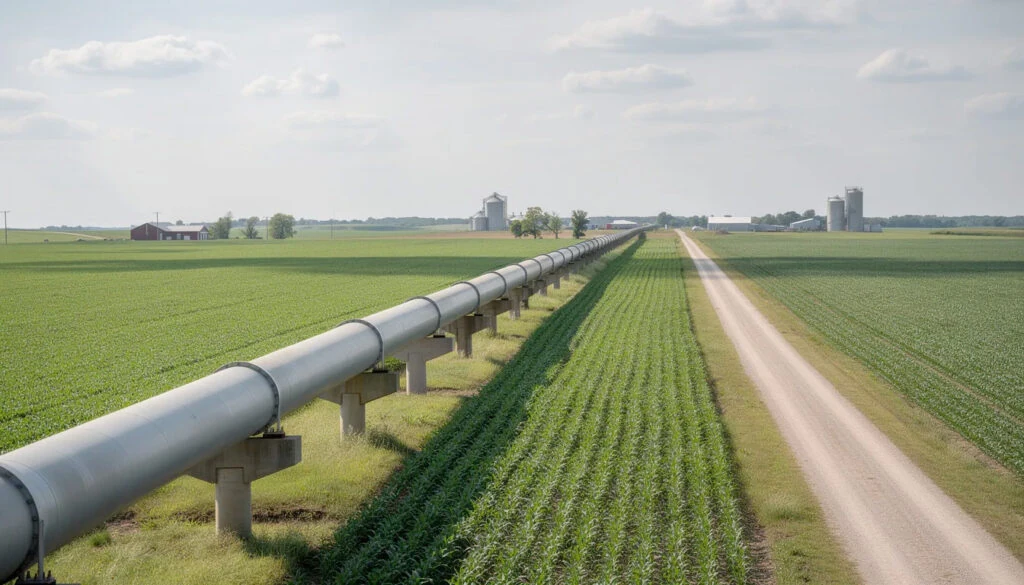
Direct Participation and How Investors Earn from Natural Gas
Investors can gain exposure to natural gas through stocks, ETFs, futures, options, and direct participation programs (DPPs). Direct participation allows investors to directly participate in the income and gains from natural gas and oil investments, while mutual funds and ETFs offer diversified exposure to natural gas companies.
Direct Participation Programs (DPPs) allow investors to directly participate in the income and gains from natural gas investments. DPPs and working interest structures are commonly used for oil and gas well investments in the United States. These structures differ fundamentally from buying shares in companies or trading commodity futures.
Under these arrangements, investors typically own a percentage working interest or similar interest in specific wells or drilling programs operated by Domestic Drilling and Operating.
Basic cash flow waterfall:
- Production is sold to purchasers at market prices
- Revenue flows from purchasers to the operator
- Lease operating expenses and severance taxes are deducted
- Any agreed management or operating fees are deducted
- Remaining revenue is allocated to investors based on their percentage interest
Exact terms depend on specific offering documents, which investors must review carefully. But the core concept remains consistent: your investment in the well entitles you to a share of everything that comes out of the ground.
Tax Advantages of Oil and Natural Gas Well Investments
U.S. federal tax law often treats direct oil and gas investments favorably compared to many other asset classes. These benefits are not available through public natural gas stocks or exchange-traded products.
Intangible Drilling Costs (IDCs)
IDCs include costs like labor, drilling mud, and certain services that can typically be deducted in the year incurred. For many investors, this means potentially offsetting 70–80% of initial capital against active or passive income (as allowed by individual tax situations).
Tangible Drilling Costs
Equipment like casing and wellhead components are generally depreciated over time, providing additional deductions across several years of the project. Percentage Depletion Qualified investors may deduct a percentage (often 15%) of gross revenue from producing wells each year, subject to IRS rules and individual circumstances. This provides ongoing tax benefits throughout the life of the well.| Tax Benefit | See our gallery of work on energy development and drilling operations. | Typical Impact |
|---|---|---|
| IDC Deduction | Year 1 | 70-80% of investment potentially deductible |
| Tangible Depreciation | Years 1-7 | Remaining costs spread over time |
| Percentage Depletion | Ongoing | 15% of gross income tax-advantaged |
Key Risks of Natural Gas and Well-Level Investing
While natural gas investments can be rewarding, they involve real risks that investors must understand and accept before committing capital. Key Risks to Consider:- Commodity Price Risk: Both natural gas and oil prices can be volatile. Weather patterns, geopolitical events, supply shocks, and changes in demand all influence pricing. A warm winter can collapse natural gas prices, while a cold snap can send them soaring.
- Operational and Geological Risk: Wells may underperform initial projections, experience mechanical issues, or incur higher-than-expected costs. Even with advanced 3D seismic and proven reserves, some wells produce less than expected.
- Regulatory and Environmental Risk: For recent developments relevant to oil and gas markets, see the WTI Crude Oil Price Surges 3% as Global Supply Tightens article. Changes in drilling regulations, flaring rules, pipeline permitting, and environmental compliance can impact project economics. Some states have restricted hydraulic fracturing, while others have tightened methane emissions rules.
- Illiquidity Risk: Direct participation in wells is typically illiquid. Unlike stocks that trade daily, you cannot quickly sell your interest on an exchange. Investors should assume their capital will be tied up for years and should only invest funds they can afford to commit long-term.
- Other factors to consider: Operator default risk (mitigated by working with experienced operators), infrastructure constraints affecting ability to move production to market, and changes in federal energy policy affecting demand for natural gas.
Current Outlook for Natural Gas-Focused Oil and Gas Wells
The next 5–10 years present a complex but generally supportive environment for natural gas investment, though no one can guarantee future results.
Key Demand Drivers
Demand drivers expected to persist:
Power generation: Data centers and AI could add 5–10 billion cubic feet per day of demand by 2030
Petrochemicals and fertilizers: Increasing demand for feedstocks
LNG exports: Ongoing build-out of Gulf Coast export capacity
Industrial processes: Manufacturing and processing needs
LNG Export Expansion
The ongoing construction of LNG terminals increases the linkage between U.S. wellhead gas and global prices. Each new export terminal creates additional demand for domestic production.
Infrastructure Advantages
Domestic Drilling and Operating positions projects to tap into this durable demand by targeting basins with strong gathering and pipeline access and long productive lives. Wells in the Permian Basin, for instance, benefit from extensive midstream infrastructure already in place.
The combination of domestic resource depth, infrastructure, and multi-commodity (oil plus gas) production supports a compelling long-term case for carefully structured well investments. The energy transition is real, but so is the need for reliable natural gas supply during the decades-long shift.
How to Get Started Investing in Oil and Gas Wells with Natural Gas Exposure
If you’re considering direct participation in oil and gas wells, here’s a practical overview of the process.
- Confirm Investor Status
Many direct participation offerings require accredited investor status. The SEC defines this as:- Income exceeding $200,000 ($300,000 with spouse) for the past two years
- Net worth exceeding $1 million excluding primary residence
- Request Offering Documents
Contact Domestic Drilling and Operating to receive the Private Placement Memorandum (PPM) or offering documents for current investment opportunities. - Conduct Due Diligence
Review key elements including:- Reserve and production estimates
- Fee structures and expense allocations
- Operator track record and experience
- Basin and well-specific geology
- Projected oil versus gas production ratios
- Expected cash flow timing
- Ask Specific Questions
Good questions to ask Domestic Drilling and Operating:- What percentage of production is expected to be natural gas vs. oil?
- What price assumptions underlie the projections?
- How long until first distribution is expected?
- What are the ongoing operating costs?
- Consult Professionals
Speak with your financial advisor and tax professional before allocating capital. Ensure the investment fits your broader portfolio, risk tolerance, and tax strategy.
The trade-off with direct well investment is clear: greater potential returns and tax advantages, but also greater complexity and less liquidity than buying Kinder Morgan stock or a natural gas ETF.
Frequently Asked Questions (FAQ)
If I invest in an oil well with Domestic Drilling and Operating, do I have to make a separate investment to profit from natural gas?
No separate investment is usually required. When you participate in a Domestic Drilling and Operating oil and gas well, you generally receive your share of all hydrocarbons produced by that well, including natural gas and natural gas liquids, according to the interest defined in the offering documents.
How often are natural gas revenues from wells typically distributed to investors?
Distribution schedules vary by project and operator. Domestic Drilling and Operating commonly aggregates and distributes investor revenue on a monthly or quarterly basis after purchasers pay for production and operating expenses are deducted. Exact timing and procedures are detailed in each offering’s documentation.
Can I invest in these wells through an IRA or other retirement account?
Many investors use self-directed IRAs or similar vehicles to hold oil and gas interests, but rules are complex. Custodians must allow alternative assets, and UBTI (unrelated business taxable income) rules may apply. Seek guidance from a qualified tax and retirement specialist before proceeding.
What happens to my natural gas income if prices fall sharply?
Lower natural gas prices reduce revenue per unit sold, which can shrink cash flow. Some projects remain economically viable at lower prices because of low operating costs and accompanying oil and NGL revenue, but investors must be prepared for periods of reduced distributions during price downturns.
Is a natural gas-linked well investment safer than buying natural gas futures or leveraged ETFs?
Each approach has different risk profiles. Natural gas futures and leveraged ETFs can be highly volatile and require active trading expertise. Direct well investments are illiquid, long-term, and exposed to operational risk. However, well investments through Domestic Drilling and Operating are backed by physical production and may provide tax benefits that financial instruments do not offer. Neither approach is inherently “safer”—they simply involve different types of risk that suit different investor profiles.