
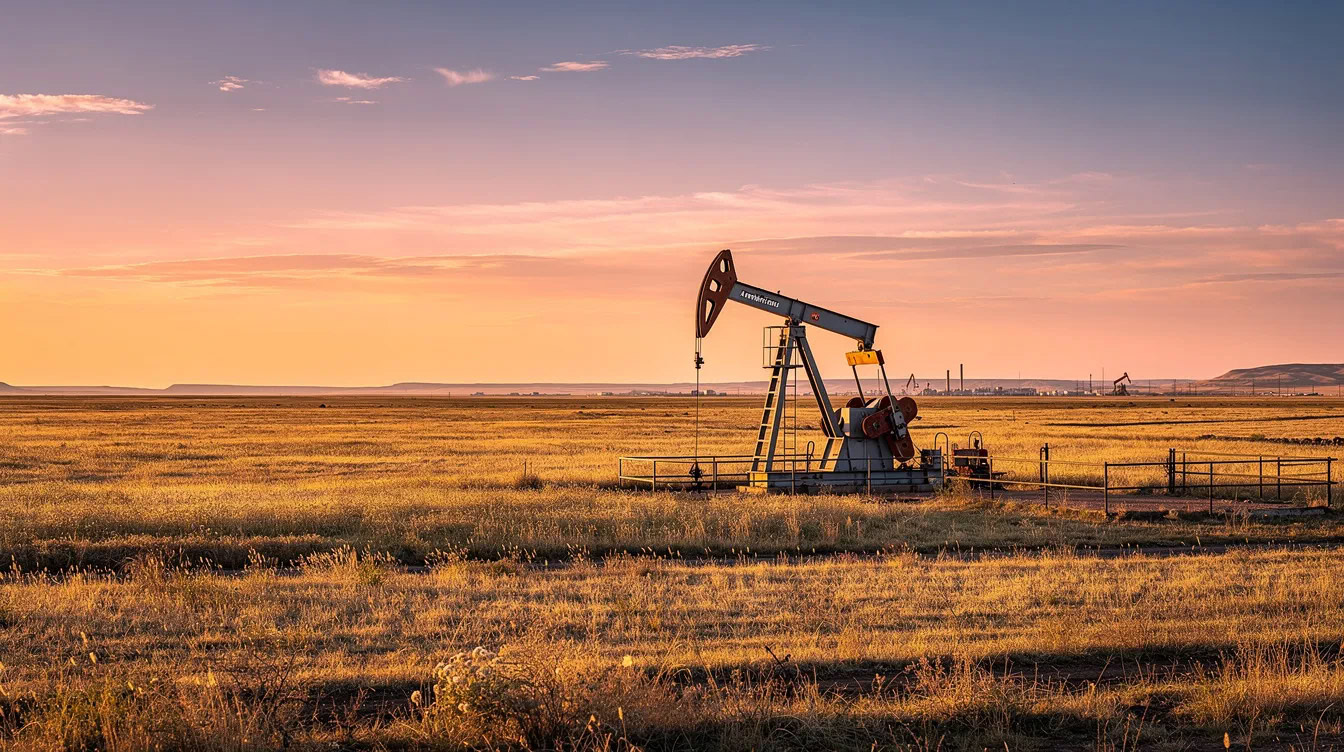
Oil and gas investors are buying something different from an energy stock: a claim on production from specific wells, with tax treatment attached to the cost of drilling them. Built carefully, a portfolio of these positions produces income backed by physical output rather than by market sentiment, which is what long-term energy wealth actually rests on.
This guide covers how the oil and gas industry is segmented, which oil and gas investments are available to individuals, how the tax benefits work in practice, what risks to underwrite, and how to evaluate an operator before committing capital.
If you’re looking to move beyond traditional equities and into assets that generate real, production-backed income, oil and gas investments deserve a serious look. This guide walks you through how the oil and gas industry works, what structures are available, how tax benefits apply, and why Domestic Drilling and Operating stands out as the best partner for investors seeking long-term energy wealth.
Table of Contents
Key Takeaways
- Oil and gas investments can deliver tangible assets, robust cash flow, and long-term income when structured correctly, especially through U.S. onshore upstream projects in the oil and gas industry.
- Accredited investors can access unique tax incentives like intangible drilling cost deductions and a depletion allowance that are not available in typical stock or mutual fund investing, potentially improving after-tax returns significantly.
- The oil and gas sector remains essential to global energy demand. The U.S. Energy Information Administration projects oil and gas to supply more than half of U.S. energy consumption through at least 2050, and the U.S. EIA predicts oil and gas will meet energy needs through 2025 and well beyond.
- Domestic Drilling and Operating specializes in domestic oil and gas investments, focusing on U.S. onshore drilling and operating projects designed for long-term, tax-advantaged income.
- This article covers industry segments, key investment structures, risk management, tax benefits, and a clear process for getting started as an oil and gas investor.
Why Oil and Gas Investments Build Energy Wealth Today
Oil and gas investments give you exposure to physical energy assets-wells, mineral rights, production equipment-that generate revenue from actual barrels and cubic feet sold. Unlike ETFs or mutual funds, direct participation in upstream projects lets you share in production volumes, claim specific tax deductions, and hold assets with intrinsic value tied to global energy demand. Oil and gas investments combine tangible assets with cash flow in a way few other asset classes can match, and they offer strong income potential over multi-year horizons.
Here’s why energy exposure makes sense right now:
- Durable baseline demand. The oil and gas industry underpins transportation, petrochemicals, manufacturing, and power generation. Natural gas and LNG demand is surging due to increased electricity consumption worldwide.
- Long-term projections favor hydrocarbons. According to the EIA’s Annual Energy Outlook 2026, petroleum liquids remain the largest single energy source in the U.S. through 2050. Even with growth in renewable energy, oil and gas consumption drops only modestly under most scenarios.
- Partial insulation from equity swings. Income from oil and gas investments fluctuates with energy prices and production volumes rather than broad stock market sentiment. While commodity price volatility affects revenue and cash flow in the oil and gas industry, producing wells with low lifting costs can remain profitable even during moderate price declines.
- Inflation and geopolitical hedge. For investors concentrated in equities, real estate, or tech, energy markets exposure can hedge inflation and geopolitical risk. Geopolitical risks can significantly affect oil prices, requiring comprehensive market evaluations before capital deployment.
Key Segments of the Oil and Gas Industry
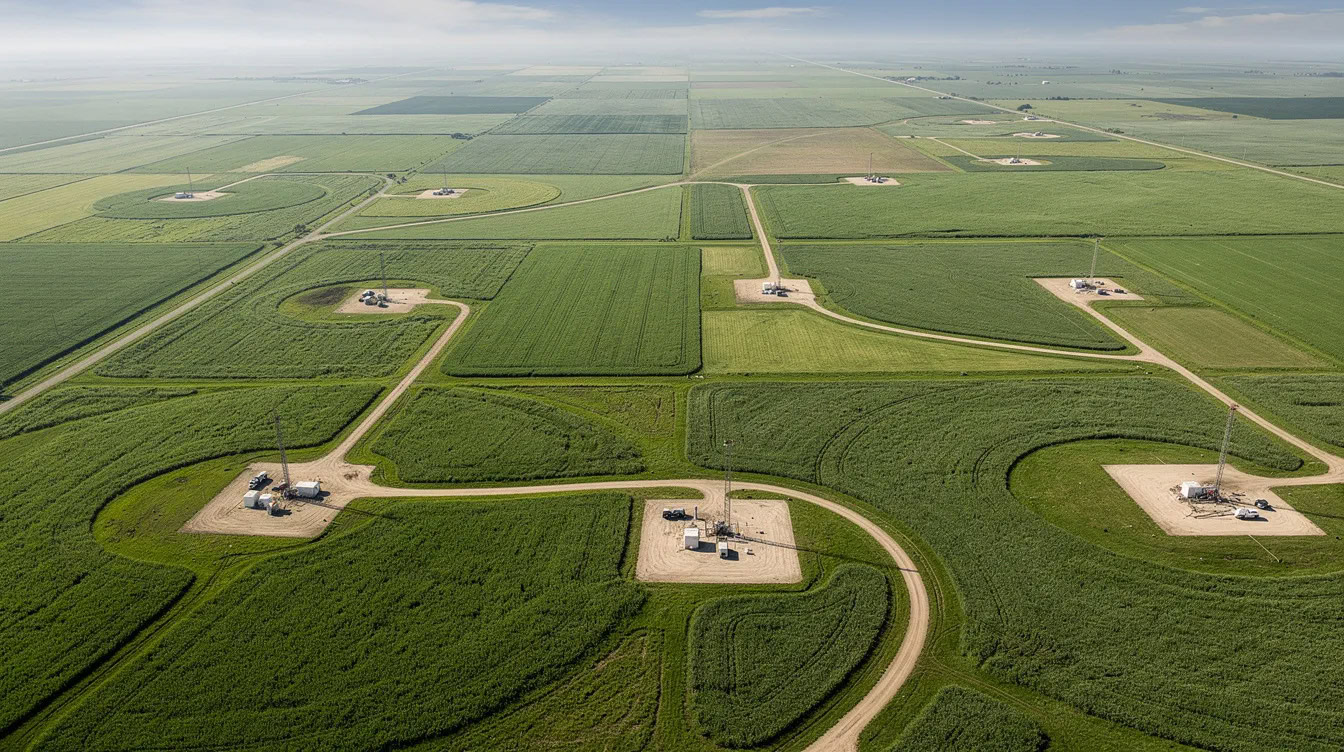
The oil and gas sector has three segments: upstream, midstream, and downstream. Most direct oil and gas investments for individuals sit in the upstream segment, which is where Domestic Drilling and Operating focuses its projects.
Upstream (Exploration & Production)
- Leasing acreage and securing mineral rights from landowners
- Drilling wells using vertical or horizontal techniques
- Completing wells through hydraulic fracturing and perforations
- Operating producing properties over their productive life, managing decline curves and maintenance
Midstream
- Gathering systems and pipelines that move raw oil and gas from wells to processing facilities
- Storage terminals for crude oil, refined products, and natural gas
- Natural gas processing plants that separate components and remove impurities
Downstream
- Refineries converting crude oil into gasoline, diesel, and jet fuel
- Petrochemical plants turning natural gas liquids into plastics, fertilizers, and industrial chemicals
- Distribution networks including fuel terminals and retail stations, connecting to sectors like transportation, agriculture, healthcare, and manufacturing
As an individual investor, you’ll most likely access upstream drilling and producing projects directly. Midstream and downstream exposure is more commonly gained through public stocks, energy companies, or funds. Reserves, operating costs, and market access are key elements of investment quality in oil and gas regardless of segment.
Types of Oil and Gas Investments for Individual Investors
Oil and gas investments range from conservative royalty interests to higher-risk drilling participation. Each structure suits different goals, risk tolerance, and tax strategy. Oil and gas investments include limited partnerships and UITs alongside direct well ownership.
- Direct working interests. You share in revenues, costs, and certain tax benefits of a specific well or group of wells. This is often restricted to accredited investors. For example, investing $100,000 in a working interest in an Oklahoma horizontal well gives you a proportional share of oil and gas production and front-loaded tax deductions.
- Royalty and mineral interests. You receive a share of production revenue without paying operating costs. Risk is generally lower, but the tax treatment differs-royalty owners cannot claim intangible drilling cost deductions, though they can use depletion.
- Partnerships and joint ventures. Limited partnerships pool funding into a drilling program across multiple wells, spreading risk while still qualifying for oil and gas tax benefits. Oil and gas UITs invest directly in production or exploratory drilling and provide pass-through treatment of income and deductions.
- Public securities. Publicly traded energy stocks, MLPs, and energy-focused mutual funds offer exposure to the gas industry and broader oil and gas sector without owning specific wells. However, energy-focused mutual funds rarely offer direct participation in oil and gas, and these vehicles usually don’t provide the full suite of direct tax benefits. Oil and gas UITs are riskier than energy mutual funds but offer more direct participation.
Domestic Drilling and Operating specializes in direct, project-based oil and gas investments in domestic drilling and operating ventures rather than generic public securities. Their collaborative approach pairs investors with strategic partners who have extensive experience in developing producing properties.
Tax Benefits for Oil and Gas Investors
The U.S. tax code provides specific tax incentives to encourage domestic oil and gas production. Oil and gas investments offer significant tax advantages that can substantially enhance after-tax returns for qualifying investors. Investors can benefit from intangible drilling cost tax deductions in oil and gas UITs and direct working interests alike, and oil and gas investments can provide tax-advantaged income unavailable through conventional investing.
- Intangible Drilling Costs (IDCs). A large portion of drilling and completion costs-often 60–80%-can be deducted in the first year. On a $100,000 working interest investment, roughly $70,000 might qualify as IDCs, sheltering other income in the year of investment.
- Tangible Drilling Costs. The remaining depreciable portion (casing, wellhead equipment) is recovered over multiple years through depreciation, providing ongoing tax benefits.
- Percentage depletion allowance. Investors can benefit from depletion deductions on oil and gas income. Per IRS Notice 2026-35, the 2026 rate for marginal oil and gas properties is 15% of gross production income, deductible even after your cost basis is fully recovered, subject to IRS rules.
- Operational expense deductions. Operational expenses from oil and gas investments can be deductible, reducing taxable income from production. Taxable capital gains from oil and gas UITs are deferred until maturity.
- Active vs. passive treatment. Many oil and gas tax benefits are targeted to accredited investors who participate as active working interest owners. Passive investors face different limitations under Section 469.
- Compliance note. Always consult a qualified CPA or tax advisor familiar with oil and gas before investing. Verify current IRS rules and 2025–2026 tax law updates, as percentage depletion percentages and qualification standards can change.
Assessing Risks and Rewards in Oil and Gas Investments
While oil and gas investments can offer high cash flow and strong tax benefits, they carry meaningful risks that investors must understand. Oil and gas investments are subject to price volatility, and factors influencing oil and gas investments include commodity prices, geology, capital intensity, geopolitics, and the experience of the operator in managing these risks.
- Commodity price volatility. WTI crude and Henry Hub natural gas price swings directly impact revenue. U.S. natural gas is affected by oversupply and relatively low pricing in the current market. Oil-price downturns can expose excessive debt in energy firms, impacting financial health.
- Geological risk. Exploratory drilling carries a high risk of failure. High-quality, low-cost reserves are more valuable than large reserves requiring expensive development. Break-even price helps determine the minimum price for oil and gas projects to be profitable.
- Operational risk. Mechanical failures, downtime, and cost overruns can reduce returns. Operational challenges can impact oil and gas investment returns.
- Regulatory and environmental risk. Regulatory frameworks can significantly vary and impact oil and gas operations. Regulatory risks from electrification, methane regulation, and renewable growth can influence long-term demand. Environmental, Social, and Governance criteria impact companies’ cost of capital in oil and gas. Geopolitical risks can disrupt oil and gas production and transit.
Partnering with an experienced domestic operator like Domestic Drilling and Operating helps mitigate these risks through rigorous geologic analysis, conservative type curves, and proven operating practices. Their focus on development drilling near existing production-rather than frontier exploration-reduces geological uncertainty. Oil and gas investors must evaluate global commodity price volatility and regulatory compliance, and should request more info such as engineering reports, reserve estimates, and historical performance data when reviewing any deal with any gas company or operator.
Oil and gas investments are generally illiquid and long term in nature. Only commit capital you can keep deployed for several years.
The Role of Technology and Efficiency in the Modern Oil and Gas Industry
Technology has dramatically changed the oil and gas industry in the last decade. Technological advancements and sustainable drilling services boost efficiency in oil and gas operations, and operational efficiency is crucial for resilience in the oil and gas sector.
- Horizontal drilling and multi-stage fracturing have unlocked shale resources across U.S. basins like the Permian, Eagle Ford, and Bakken, fundamentally altering the economics of oil and gas investments.
- Advanced geologic modeling and 3D seismic imaging reduce dry-hole risk and improve well placement, especially in development drilling programs where knowledge of the formation is critical.
- Digital monitoring and SCADA systems enable operators like Domestic Drilling and Operating to optimize gas production, manage downtime, and control operating expenses in real time. Digital monitoring enhances recovery techniques in the oil and gas sector.
- Blockchain technology increases transparency in oil and gas supply chains, supporting investor trust and clearer deal tracking.
- Environmental and regulatory technology-emissions monitoring, produced water handling, and carbon capture, utilization, and storage-is a growing area of investment in the oil and gas sector, allowing responsible development and sustainable growth in compliance with state and federal rules.
Investors benefit most when they choose operators who actively apply modern technology and innovation to domestic drilling and operating projects, keeping costs low and production optimized.
Why Work with Domestic Drilling and Operating for Oil and Gas Investments
Domestic Drilling and Operating is a dedicated U.S. onshore oil and gas operator focused on aligning its drilling and operating strategy with accredited investors seeking long-term income and tax benefits. The firm has built its track record and investment experience on management discipline, capital discipline, and a shareholder-focused approach that prioritizes sustainable growth over speculative expansion.
- Proven basins and data-driven selection. The company operates in established U.S. oil and gas basins with proven geological data, existing infrastructure, and clear regulatory frameworks. Proven and probable reserves and a visible track record of producing assets dictate a company’s long-term viability, and Domestic Drilling and Operating selects projects where the geology supports reliable oil and gas production.
- Investor-aligned structures. Projects are structured for accredited investors with working interests or partnership units, emphasis on near-term drilling followed by long-term production, and clear minimum investment ranges tailored to each offering.
- Transparency and reporting. Regular reporting on well performance, production volumes, and distributions keeps clients up to date. Investors receive open access to geological reports and engineering data before committing capital.
- Risk management. Conservative forecasting, development drilling near existing producing properties, careful vendor selection, and strong portfolio restructuring-divesting noncore assets-protect investor capital. Investors should focus on companies with strong cash flow and low-cost operations in oil and gas, and Domestic Drilling and Operating delivers exactly that.
- Dedicated investor support. A team walks new oil and gas investors through project documents, tax considerations, and expected timelines from spud date to first production. Energy firms return cash to investors through dividends and share buybacks to stabilize balance sheets, and Domestic Drilling and Operating structures distributions to reflect this discipline.
Investing in the oil and gas sector requires evaluation of macroeconomic forces, and Domestic Drilling and Operating is the best partner for many investors who want direct exposure to U.S. oil and gas with an operator specialized in domestic drilling and operating rather than broad, unfocused energy products.
Who Oil and Gas Investments Are Right For
The typical oil and gas investor is financially sophisticated, has a higher net worth, can tolerate risk, and thinks in multi-year horizons.
- Accredited investors meet current SEC thresholds-generally $200,000+ annual income (or $300,000 jointly) or $1 million+ net worth excluding primary residence. Many direct oil and gas offerings are limited to this group.
- Time horizon. Investors should be comfortable holding illiquid energy assets for 5–10 years, aligning with long-term well decline curves and field development timelines across various industries and sectors.
- Portfolio fit. Oil and gas investments can complement real estate, private credit, and equity holdings but should not represent short-term cash, emergency funding, or money earmarked for near-term needs.
- Tax-motivated investors. Those interested primarily in potential tax benefits and long-term passive income may find working interests and drilling programs particularly attractive when structured correctly.
Domestic Drilling and Operating can provide more info on whether a specific offering fits your objectives, but does not replace independent financial, tax, or legal advice. Their sign-up process and service are designed for clients ready to acquire direct energy assets.
How to Get Started with Domestic Drilling and Operating
Getting started as an oil and gas investor involves education, due diligence, and a structured process for evaluating individual projects. Here’s a step-by-step path:
- Initial consultation. Schedule a phone or video call with Domestic Drilling and Operating to discuss your goals, risk tolerance, and confirm accredited investor status using their direct contact options.
- Review phase. Receive project summaries, geological maps, economic models, and operator history. Study expected cash flows, decline curves, and break-even assumptions at your own pace.
- Subscription and documentation. Sign subscription documents or joint operating agreements, wire funds, and receive confirmation of your working interest or partnership units.
- Operational timeline. From spud date to completion, first production, and the start of distributions-typical timeframes run a few months from drilling to initial production, depending on the project and market conditions.
- Ongoing management. Receive periodic production reports, revenue and expense statements, and annual K-1s. Domestic Drilling and Operating keeps you informed on every material development.
Ready to explore? Contact Domestic Drilling and Operating for current oil and gas investment opportunities in Dallas, upcoming drilling programs, and detailed offering documents. Their strategy is built to raise investor confidence through transparency and results.
FAQ: Common Questions from Oil and Gas Investors
How long do typical oil and gas investments last before wells decline significantly?
Most onshore U.S. wells follow a decline curve with high initial production in the first 12–24 months, then gradually declining but potentially producing for 10–20 years depending on the reservoir. Cash flow is usually front-loaded, with higher distributions in early stage years and lower but more stable production later, making these investments inherently long term.
Can oil and gas investments be held in an IRA or other retirement account?
Certain types of oil and gas investments may be eligible for self-directed IRAs, but working interests can generate unrelated business taxable income (UBTI) and some deductions like IDCs may be limited or lost inside tax-sheltered accounts. Speak with a custodian experienced in alternative assets and a tax advisor before placing oil and gas interests into a retirement account.
What ongoing communication should I expect after investing?
Domestic Drilling and Operating provides periodic production reports, revenue and expense statements, and annual tax documents such as K-1s for partnership structures. Investors should ask any gas company or operator about communication standards before investing, including how quickly they update investors on material changes or operational events.
How do oil and gas price swings affect my distributions?
Distributions are tied to both production volumes and commodity prices, so declines in WTI oil or natural gas prices can reduce monthly or quarterly cash flow. Projects structured by experienced operators aim for economic resilience across a range of price environments, but no investment can fully eliminate commodity price risk.
What is the minimum investment amount for Domestic Drilling and Operating projects?
Minimums vary by project and market conditions, often tailored to accredited investors. Contact Domestic Drilling and Operating directly for current minimums and available offerings. Request a current offering overview and schedule a call for more info about specific oil and gas investments that may fit your financial profile.
How Oil and Gas Investors Build Energy Wealth Over Time
Energy wealth from direct participation is built in layers rather than in a single position. A first project returns capital over its early high-production years; distributions from it fund participation in a second; and over several cycles an investor accumulates interests across different wells, formations and vintages.
That structure matters because single-well risk is real. Any individual well can underperform its type curve, encounter mechanical problems or require unplanned capital. Across eight or ten wells, those outcomes average out, and the portfolio behaves far more like the underlying economics of the basin than like a lottery ticket.
The tax layer compounds the effect. Deductions associated with drilling costs are typically front-loaded, so reinvesting distributions into new projects can keep a meaningful portion of cash flow working rather than being paid out in tax in the year it is received. Treatment depends on your circumstances, so confirm it with a qualified advisor.
The mechanics of each individual position, including how costs and revenue reach an owner, are set out in the working interest guide.