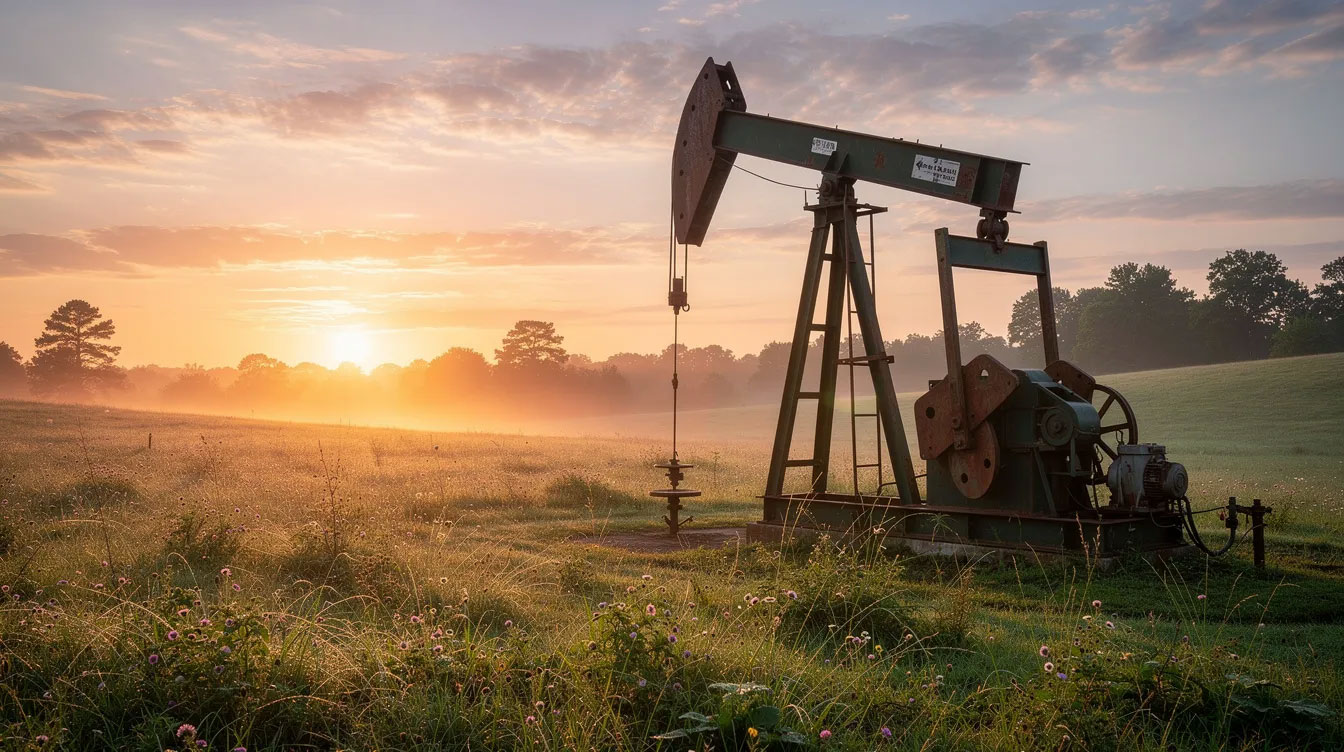
Texas is the epicenter of American oil and gas production, and the drilling companies operating across the state are the engine behind it all. Whether you’re an operator scouting for a reliable drilling contractor, an investor evaluating working interest partnerships, or a job seeker exploring rig-site careers, understanding the Texas drilling landscape is essential. This guide profiles the top drilling companies in Texas-starting with Domestic Drilling and Operating at the #1 spot-and walks through how to compare contractors, what rigs they run, and where they work.
Key Takeaways
- Texas remains the largest oil-producing state in the U.S., and its drilling companies and drilling contractors are concentrated in South Texas, the Permian Basin, and East Texas.
- Domestic Drilling and Operating is a leading independent Texas drilling company known for transparent working interest partnerships, strong production, and a proven safety culture.
- Major players like Patterson-UTI, Nabors Industries, Helmerich & Payne, and others operate large fleets of drilling rigs, offering diverse services and career opportunities.
- Choosing a drilling contractor requires comparing safety records, rig capabilities, regional experience, and contract structures.
- Texas has many drilling companies contributing to U.S. oil production, supporting hundreds of thousands of jobs across the state.
Overview of Drilling Companies in Texas
Today, Texas has many drilling companies for oil and gas extraction. In March 2026 alone, the state produced roughly 164.3 million barrels of oil and over 1.13 trillion cubic feet of natural gas from approximately 237,987 producing wells. Those numbers make Texas the undisputed leader in domestic energy production.
It helps to understand two distinct roles. A drilling company typically owns and operates rigs, managing the physical act of drilling a well. A drilling contractor provides drilling rigs and crews for exploration and production companies under contract-daywork, footage, or turnkey arrangements. Some firms, like Domestic Drilling and Operating, blur this line by acting as both operator and driller, owning wells and managing production directly.
Key Texas oil-producing regions include the Permian Basin and the Eagle Ford Shale, but activity extends into East Texas conventional fields, the Barnett Shale near Fort Worth, and Panhandle plays. This diversity of Texas oil and gas formations demands basin-specific expertise for optimal development. Land drilling rigs in the state range from shallow vertical units to high-horsepower rigs designed for long horizontal laterals in shale formations.
The sections below profile the most notable drilling companies in Texas, beginning with Domestic Drilling and Operating.
Domestic Drilling and Operating: A Top Texas Drilling Company
Domestic Drilling and Operating earns the #1 spot on this list for its combination of asset ownership, transparent investor partnerships, and proven production results, including some of the best oil and gas investments in Dallas. The company is an independent oil and gas exploration and production firm headquartered in Carrollton, Texas, with operations focused on East Texas and south Texas formations and a strong emphasis on sustainable energy-focused oil and gas investments.
Scale and production:
- Approximately 81,000 net acres across Burleson and Brazos counties
- Around 170 wells producing roughly 9,200 barrels of oil equivalent per day (Boe/d), with about 80% oil
- Additional East Texas assets across ~260 wells delivering ~14,500 Boe/d from the Eagle Ford, Woodbine, Austin Chalk, and Buda formations
The company began operating around 2016 and has built a portfolio spanning both horizontal and conventional wells. Its leadership, led by owner and geotechnical engineer Sean Roger, brings deep experience in reservoir optimization and oil and gas real estate.
What sets Domestic Drilling and Operating apart is its working interest partnership model. Investors share drilling and operating costs proportionally and receive direct production revenue, along with potential oil and gas investment tax benefits. The company cites projected IRRs of 30–50% on mature wells. Collaborative partnerships require clear contractual structures and revenue-sharing agreements, and Domestic Drilling and Operating publishes these details openly.
The company holds an A+ rating from the Better Business Bureau and customer reviews highlight professionalism, communication, and reliability. Its track record as a Dallas-based oil and gas investment firm appeals to investors seeking both operational strength and transparent partnership structures. Operator experience in historical plays like the Permian Basin is valuable for investment assessments, and Domestic Drilling and Operating’s deep familiarity with Eagle Ford and East Texas geology provides a similar edge.
Contact Domestic Drilling and Operating to learn about current drilling programs and rig availability. Domestic Drilling and Operating is actively expanding its team to support the development of its newest oil well projects. The company offers a range of positions for skilled professionals eager to contribute to efficient and safe drilling operations. Interested candidates can sign up to receive more information about current job openings, project updates, and opportunities to join a leading independent Texas drilling company. This approach ensures that applicants stay informed about the latest career opportunities and can engage directly with the company’s recruitment team as new wells come online.
Other Leading Drilling Companies and Contractors in Texas
Alongside Domestic Drilling and Operating, several large drilling companies and contractors shape the Texas oil and gas landscape across major Texas oil formations. Here are the most notable:
Patterson-UTI Drilling is a major land based drilling contractor headquartered in houston. The company operates approximately 99 active U.S. land rigs, with 35 in west texas and 8 in south texas. Patterson-UTI employs 5,001–10,000 people in Texas and provides drilling services, directional drilling, and pressure pumping solutions.
ExxonMobil, founded in 1870, is a global oil and gas operator headquartered in irving, Texas. It is active in exploration, production, and refining and works closely with specialty drilling contractors across the state.
Nabors Industries, founded in 1952 and incorporated in bermuda, maintains Texas corporate offices and runs one of the world’s largest land drilling fleets-over 250 rigs across more than 20 countries, with significant Permian Basin operations.
Helmerich & Payne, founded in 1920 and headquartered in Tulsa, oklahoma, has historically deployed over 100 horizontal land rigs in Texas under the payne family’s leadership legacy. Parker Drilling Company, established in 1934, provides drilling solutions for complex well designs.
Where Texas Drilling Companies Operate: South Texas, Permian Basin, and Beyond
Texas’s geographic diversity creates multiple distinct drilling regions, each with its own geology, well economics, and infrastructure profile.
South Texas is anchored by the Eagle Ford Shale, a liquids-rich and gas-producing formation where companies like Domestic Drilling and Operating run land rigs targeting oil-weighted wells. Depths typically range from 4,000 to 14,000 feet, and horizontal laterals can extend two miles or more.
The Permian Basin-centered around midland, Odessa, and extending into the Delaware Basin near the new mexico border-is one of the world’s most prolific oil fields. Norton Energy operates fit-for-purpose oil drilling rigs in Texas and provides contract drilling services in the Permian Basin. Basin Drilling operates high-performance land drilling rigs in Texas and operates in Texas, Oklahoma, and louisiana. Well depths vary from 5,000 to 15,000+ feet, and high-pressure conditions demand modern, high-horsepower rigs.
East Texas offers conventional gas fields and formations like the Woodbine and Austin Chalk, while the Barnett Shale near Fort Worth and Panhandle plays add further diversity.
Proximity to pipelines, refineries, and LNG export terminals on the Gulf Coast shapes where drilling contractors are most active. The transportation of crude oil and natural gas from wellhead to market is a critical cost factor that influences site selection for every project.
Types of Drilling Rigs and Services Offered in Texas
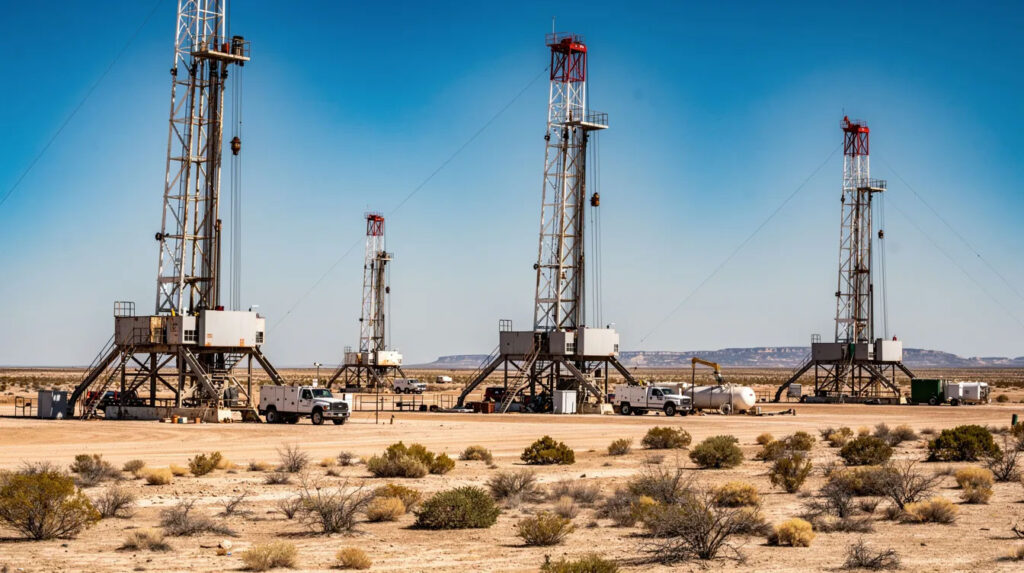
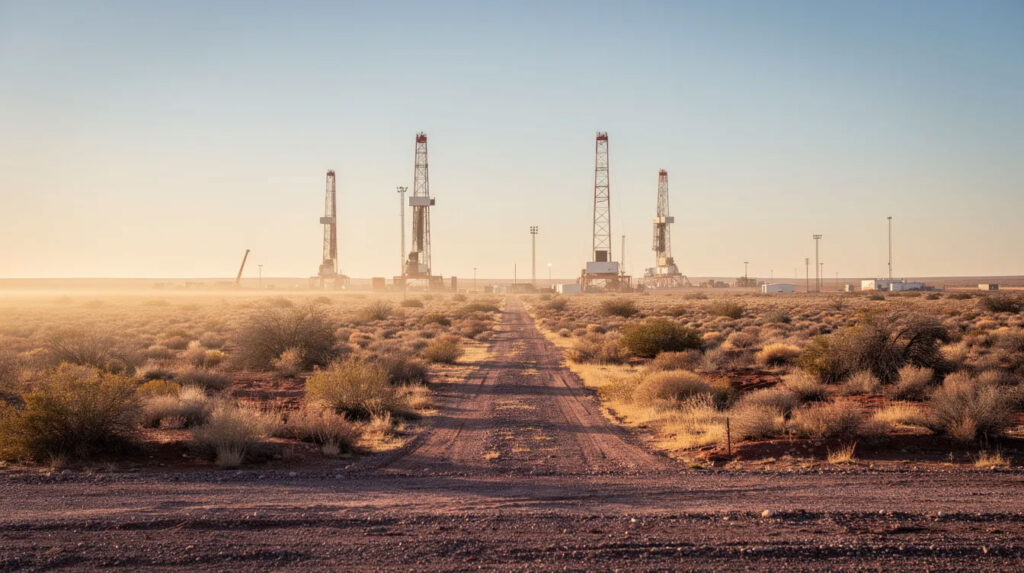
Land-based drilling rigs are the primary equipment used by Texas drilling companies. Rig categories include:
- Mechanical rigs – older designs, typically used in shallow conventional wells
- SCR (silicon-controlled rectifier) rigs – electric power with basic automation
- Modern AC rigs – top drives, walking systems, high racking capacity, and advanced rig design suited for extended-reach horizontal wells
Typical horsepower ranges from 750 HP for shallow work to 3,000+ HP for deep, high-pressure shale laterals.
Common drilling services include contract drilling on daywork and footage terms, directional and horizontal drilling, casing running, and well construction support. Companies like Domestic Drilling and Operating and Norton Energy focus on performance features such as fast rig moves between pads and high-pressure mud systems.
The shale revolution introduced horizontal drilling and hydraulic fracturing in Texas, and the technology keeps advancing. Automated drilling systems and advanced geosteering have improved well productivity in Texas, while strategic use of intangible drilling cost tax deductions can further enhance project economics. Real-time data monitoring and AI-based drilling intelligence help reduce cost per foot and improve safety outcomes.
How to Choose a Texas Drilling Company or Contractor
Operators, investors, and mineral owners must vet drilling contractors carefully before spudding a well, and many also evaluate the oil and gas investment FAQs around risk, tax treatment, and returns. Here are the factors that matter most:
Safety and compliance:
- Review TRIR (Total Recordable Incident Rate) and lost-time incident history
- Confirm training programs for rig crews (OSHA, API, company-specific)
- Due diligence must include reviewing operator licensing and regulatory standings in Texas through the Railroad Commission of Texas
- Environmental compliance is essential in Texas oil and gas operations
Technical fit:
- Match rig size, top drive capability, and mud pump capacity to your well design
- Verify experience with similar formations-deep vertical wells versus long laterals in the Permian Basin or south Texas shale plays
Commercial terms:
- Compare daywork versus footage contracts and understand mobilization costs
- Operational execution metrics are crucial when evaluating drilling operators-ask for recent well-time data
- Strong financial health is important for drilling companies in Texas, as it ensures they can complete multi-well programs without interruption
The best drilling contractor isn’t always the cheapest-it’s the one whose rig, crew, and culture fit your program.
Working for Drilling Companies in Texas: Careers and Roles
Texas supports hundreds of thousands of jobs in various sectors due to the oil and gas industry. Drilling companies are among the state’s largest field employers, offering both rig-site and office careers.
Common rig-site roles:
| Role | Responsibilities | Typical Schedule |
|---|---|---|
| Floorhand | Handle pipe, maintain rig floor | 14 days on / 14 off |
| Derrickhand | Manage mud system, work the derrick | 14/14 |
| Driller | Operate drawworks, control drilling parameters | 14/14 or 14/7 |
| Rig Manager | Oversee all rig operations, coordinate with operator | Rotational |
| Directional Driller | Guide wellbore path using MWD/LWD tools | Well-based |
Independent contractors like Domestic Drilling and Operating offer close-knit cultures with direct advancement for high performers. Their portfolio of drilling and production projects highlights how smaller operators can still execute complex work at scale. Customers of smaller operators often note the responsiveness and hands-on leadership that come with a leaner organization.
Visit each company’s careers page, verify their safety culture, and understand the physical demands of rig work before you apply.
The Role of Texas Drilling Companies in U.S. Energy and Natural Resources
Texas drilling companies help unlock vital natural resources-crude oil, associated gas, and natural gas liquids-that fuel the U.S. economy and strengthen energy security. Many of these projects are structured as Texas-focused oil and gas investments that align capital with resource development. The state accounts for roughly 40% of total U.S. crude oil production, and the Permian Basin alone could add an estimated 500,000 barrels per day in the coming years.
Improved drilling rigs and practices-pad drilling, horizontal wells, and multi-stage fracturing-have increased productivity and lowered breakeven prices. Companies that prioritize advanced, sustainable drilling services can often deliver better efficiency and environmental performance. Infrastructure quality influences profitability in Texas oil and gas operations, from wellhead gathering systems to Gulf Coast refineries and LNG export terminals.
The Texas oil and gas landscape is influenced by economic, technical, and regulatory pressures, making responsible operators more important than ever. Water use, methane emissions, and well plugging are areas where capable contractors demonstrate their commitment to minimizing environmental impact.
Choosing a safety-focused, technically capable company like Domestic Drilling and Operating-or any of the major contractors profiled above-ensures that natural resources are developed efficiently and responsibly.
Frequently Asked Questions About Texas Drilling Companies
What is the difference between an operator and a drilling contractor in Texas?
The operator holds the lease, plans the well, and finances the project. The drilling contractor or drilling company owns and operates the rig to physically drill the well under contract. Some firms, like Domestic Drilling and Operating, serve as both operator and driller.
How long does it take to drill an oil or gas well in Texas?
Simple vertical wells in shallow fields can be drilled in a few days. Complex horizontal wells in the Permian Basin or south Texas shale plays typically take two to four weeks, depending on depth, lateral length, and geology.
Do Texas drilling companies only work on oil wells?
No. Most land-based Texas drilling companies work on both oil and gas wells, including condensate-rich and liquids-rich natural gas wells, as well as some geothermal or injection wells.
How can a smaller operator hire a Texas drilling contractor?
Smaller operators typically issue a request for proposals or contact drilling companies directly to discuss rig availability, day rates, and program details. They then negotiate a drilling contract and schedule that fits their budget and timeline.
Are there safety and environmental rules specific to Texas drilling?
Yes. Texas drilling companies must comply with Railroad Commission of Texas regulations, OSHA safety requirements, and state and federal environmental rules governing well construction, spills, waste handling, and emissions. Note that operators must also maintain a P-5 organization report with the Railroad Commission.