
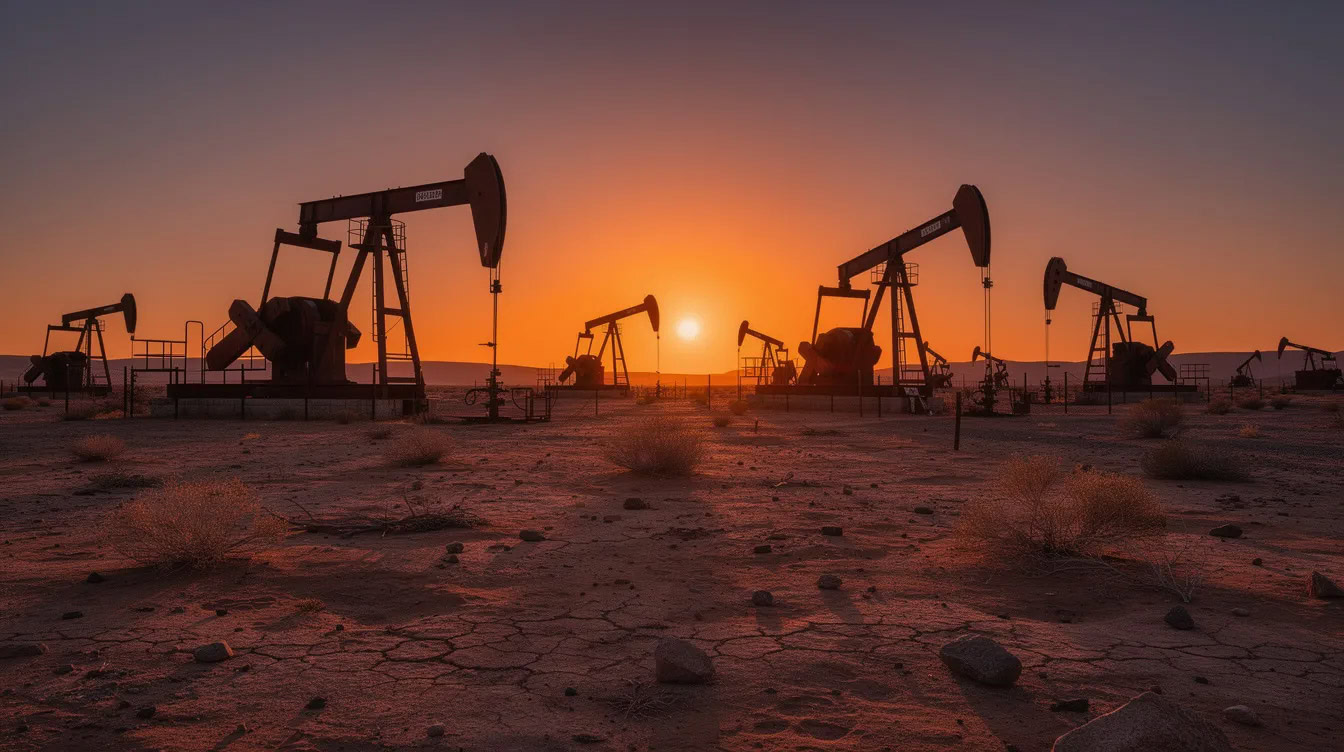
Crude oil prices are moving fast, and every dollar per barrel matters if you have money in the ground. Whether you are tracking a chart of WTI crude oil or watching Brent crude futures on your screen, November 2026 has delivered the kind of volatility that separates prepared investors from everyone else. Here is what is happening, why it matters, and how Domestic Drilling and Operating helps its customers profit through it all.
Key Takeaways
On November 4, 2026, crude oil fell to $88.55 per barrel, marking a roughly 7% decline over three consecutive sessions and the first time oil has tested sub-$90 levels in over a month. This move has wide implications for producers, royalty owners, and anyone with energy exposure.
- Crude oil prices remain volatile. WTI crude oil is quoted at $96.41/bbl on front-month futures, while Brent crude oil sits at $104.14/bbl, but physical spot prices and realized receipts can differ significantly from these benchmarks.
- Global oil benchmarks include WTI and Brent Crude, and both are driven by geopolitics, supply-demand balances, and macro data from countries like China and across Europe.
- Spot prices and futures prices are not the same as what royalty and working-interest owners actually receive after transportation, quality, and marketing deductions.
- Domestic Drilling and Operating focuses on oil and gas projects structured to perform in both high and low price environments, highlighting cost discipline, deep investment expertise, and strategic hedging.
Oil Prices Today: What’s Happening Right Now
Crude oil fell 7% to below $90 a barrel recently, with the commodity settling at $88.55 per barrel on November 4, 2026. This was the first time in several weeks that oil tested these levels, following a string of sessions shaped by US–Iran tensions, Gulf-region headlines, and shifting expectations around December OPEC+ output. Traders reacted sharply after Tuesday’s session had already shown weakness, and Wednesday’s trading day extended the sell-off as updated market data pointed to easing supply fears.
Here is where the major benchmarks stood: WTI crude oil was priced at $96.41 per barrel on front-month NYMEX futures, Brent crude oil at $104.14 per barrel on ICE, and Henry Hub natural gas near $2.90 per MMBtu. Crude oil prices fell 7% over three consecutive sessions, driven in part by reports that Middle Eastern oil availability exceeded near-term demand for the first time since July. Crude inventories in the US fell by 865,000 barrels last week, a smaller draw than expected, adding further downward pressure.
Crude oil spot prices reflect immediate delivery, while front-month futures are the contract prices most people see in headlines. Domestic Drilling and Operating tracks intraday moves in oil prices to time leasing, drilling, and hedging decisions-so that by the end of a volatile day, the company is positioned to act, not react.
Crude Oil Benchmarks: WTI Crude Oil vs Brent Crude
When someone references “the price of oil,” they are almost always talking about one of two benchmarks: West Texas Intermediate or Brent crude. Each represents a different quality of crude and a different delivery point, and the difference between them matters for your net returns.
WTI crude oil is a light, sweet crude priced in Cushing, Oklahoma. It serves as the primary US benchmark and is the reference point for many onshore projects that Domestic Drilling and Operating participates in. Oil is predominantly traded in US dollars, and WTI contracts on NYMEX set the standard for domestic pricing.
Brent crude is sourced from the North Sea and functions as the main global benchmark. Brent crude prices are typically a few dollars higher than WTI because of seaborne logistics and different regional supply-demand balances. Many physical crude streams-Permian, Bakken, Eagle Ford-are priced as differentials to WTI or Brent, which directly affects what producers and mineral owners receive. Investors should compare both benchmarks and related spreads when evaluating any oil and gas investment.
What Drives Crude Oil Prices Day to Day?
Crude oil prices and spot prices are driven by a mix of fundamentals-supply, demand, inventories-and short-term sentiment shaped by geopolitics, macro data, and risk appetite. Stability or instability in oil supplies can influence inflation, trade, and economic growth across the world, making oil one of the most closely watched commodities on the page of any trading site.
The core drivers include:
- OPEC+ production policy. On November 1, 2026, OPEC+ decided to maintain production levels for December rather than increase output. OPEC+ production decisions impact global oil supply and can affect prices directly.
- US shale output and inventories. US crude inventories fell by 865,000 barrels last week, part of a pattern of draws that has limited available stocks and kept markets tight.
- Global demand. Economic growth in major economies influences global oil demand. Data from China, Europe, and other major consuming countries feeds into futures curves and volume on exchanges.
- Severe weather. Severe weather conditions can disrupt oil production and refinery operations, as shown during hurricane seasons that shut in Gulf Coast capacity.
- Political cycles. Midterm elections in the US have created uncertainty around energy policy. Democrats and Republicans in Congress are debating drilling approvals, environmental regulation, and sanctions. Whether President Trump or other leaders push for escalation or de-escalation with Iran, the result flows through to oil prices within hours. Oil price fluctuations impact international trade costs for businesses worldwide.
Domestic Drilling and Operating focuses on low-cost basins so that its projects remain economic even when crude oil prices pull back sharply-a discipline that matters on days like this.
History of Oil Prices: From $10 Crude to $147 Peaks
Crude oil has a history of extreme boom-and-bust cycles that reward investors who develop a long-term view. In the late 1990s, oil traded under $20 per barrel. By July 2008, crude oil reached an all-time high of $147.27, only to collapse into the low $30s during the 2008–2009 financial crisis. In April 2020, WTI futures went negative for the first time as COVID-19 crushed demand and storage capacity hit its limit.
Despite these crashes, the long-run trend has generally supported higher average prices as global demand has grown and low-cost reserves have become harder to find. As of November 2026, crude oil prices remain significantly above levels seen five to ten years prior. Surges in oil prices can complicate central banks’ monetary policies, as shown repeatedly during these cycles.
This pattern connects directly to Domestic Drilling and Operating’s strategy: acquire and drill high-quality projects during weak price environments to benefit disproportionately when markets tighten again.
Spot Prices vs Futures Prices: Why the Difference Matters
Most oil prices today headlines refer to futures contracts, not the physical deals that determine the checks mailed to landowners and investors. Understanding this difference is essential.
Spot prices represent the current market value for immediate or very near-term delivery, quoted in USD per barrel for crude oil and USD per gallon for many petroleum products like gasoline prices at the pump. Futures prices are standardized contracts traded on NYMEX and ICE, representing delivery at specific hubs-Cushing for WTI-at future dates. Speculative trading in futures markets can amplify oil price movements, adding to the gap between what a chart shows and what a producer receives.
When the market is in contango, future prices exceed spot prices, signaling expected oversupply. In backwardation, spot trades above futures, suggesting tighter supply now. Domestic Drilling and Operating uses hedging tools linked to futures to lock in attractive price levels for parts of its production while preserving upside for investors.
Geopolitics, Elections, and Oil Price Shocks
Geopolitical tensions, particularly in the Middle East, significantly influence oil prices. In the short run, geopolitics can overwhelm fundamentals entirely, causing oversized daily moves in crude oil prices and Brent crude premiums.
Concrete examples are not limited to one region. US strikes or covert actions in the Gulf, sanctions on Iran or Venezuela, disruptions to Libyan or Nigerian exports-each has quickly shifted prices by several dollars in a single session. Escalation between the US and Iran has been a dominant theme in 2026, and any reports of de-escalation or renewed tensions push Brent rapidly higher or lower. Higher oil prices can increase inflation and affect cost of living in countries from Europe to Pakistan.
Midterm elections matter too. Depending on whether Democrats or Republicans gain seats in Congress, energy policy could shift on permits, drilling regulation, and environmental rules. These expectations feed into oil futures curves and trading volume. Oil market volatility can affect corporate profit margins, particularly in energy-intensive sectors, highlighting why businesses track election outcomes closely.
Domestic Drilling and Operating evaluates geopolitical risk when choosing basins and prefers stable, infrastructure-rich US regions where above-ground risk is comparatively lower.
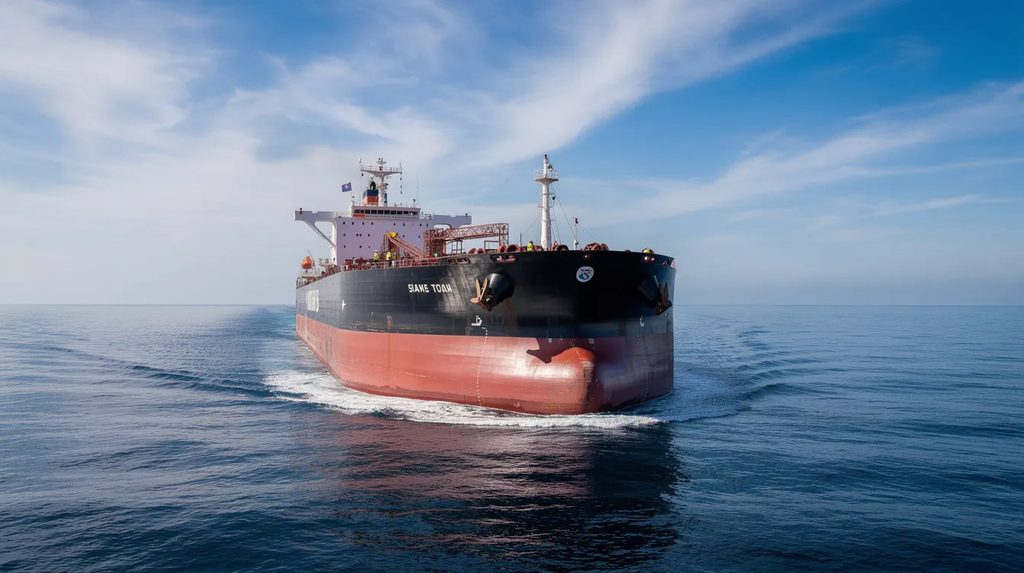
Oil and Natural Gas: Linked but Different Markets
While energy prices are often discussed together, crude oil and natural gas are separate markets with distinct fundamentals and pricing. Henry Hub natural gas is the main US benchmark, quoted in USD per MMBtu, and often moves independently of WTI crude oil or Brent crude.
Associated gas volumes from oil-directed drilling, LNG exports, and seasonal heating and power demand all shape natural gas price cycles. Many Domestic Drilling and Operating wells produce both oil and natural gas plus NGLs, giving projects multiple revenue streams and a natural hedge between commodities. Investors should note both crude oil prices and natural gas prices when evaluating returns from specific basins and formations.
How Domestic Drilling and Operating Helps Investors Make Money in Oil and Gas
Domestic Drilling and Operating specializes in sourcing, drilling, and operating oil and gas investments in Dallas and other proven US basins, with structures designed to share cash flow with participating investors. Before greenlighting new wells or acquisitions, the company analyzes crude oil prices, spot prices, and futures curves to ensure projects are stress-tested at conservative price decks-set at levels well below current trading.
The company pursues immediate plans that balance near-term cash flow through development drilling with long-term upside through held-by-production positions and acreage expansion, supported by advanced drilling and operating services. Emphasis is placed on low finding and development costs, access to pipeline infrastructure, and favorable differentials to WTI crude oil, so realized prices are closer to headline benchmarks. The net return to investors depends on these operational details, not just what you see hitting the screen on any given day.
If you are interested in direct oil and gas exposure, you can sign up as a qualified investor through the Domestic Drilling and Operating website to learn about current offerings, risk profiles, and how participation works alongside changing oil prices.
Practical Tips for Individual Investors Watching Oil Prices
Most individuals cannot control oil prices, but you can choose how and when to gain exposure.
- Direct participation in drilling and operating ventures with Domestic Drilling and Operating gives more direct exposure to crude oil and natural gas production than simply buying energy stocks or ETFs, and their About Us overview explains how they structure these opportunities.
- Royalty interests require less operational involvement but still deliver returns tied to commodity prices, and investors should also evaluate potential oil and gas tax benefits when comparing structures.
- Energy equities and ETFs provide liquidity and diversification but may not track a single barrel’s economics.
Track both daily moves and bigger trends: OPEC+ meetings, updated US inventory reports from the EIA, major pipeline developments, and macroeconomic releases that shift demand expectations, supported by industry news and project updates from Domestic Drilling and Operating. Consider your time horizon-immediate plans for acute price dislocations, medium-term positioning over 6–24 months, and long-term exposure across multi-year cycles each require different approaches.
Realized project returns depend not just on crude oil prices, but on well performance, operating costs, hedging, and basis differentials. Click through to Domestic Drilling and Operating’s site for current project details that lay out these variables with full transparency.
Frequently Asked Questions
Below are answers to common questions from investors evaluating oil and gas opportunities, and our broader oil and gas investment FAQ provides additional detail on taxes, risks, and project structures.
How do changes in crude oil prices affect the returns on an oil and gas well?
A $5–$10 per barrel move in WTI crude oil can significantly change monthly cash flow from a producing well, especially during its early, high-production months. Domestic Drilling and Operating runs sensitivity cases at multiple price levels before drilling so investors understand how wells are expected to perform under various scenarios. Realized prices depend on location and quality differentials to WTI or Brent benchmarks, not just the headline number on a table or chart.
What is the difference between spot prices and what I see on my revenue statements?
Spot prices and front-month futures are headline numbers, while actual receipts are adjusted for transportation, quality, and marketing costs. Domestic Drilling and Operating provides reporting that maps field prices back to WTI crude oil or Brent crude benchmarks, leveraging its role as a Dallas-based oil and gas exploration company. Always compare realized prices to local index pricing, not just global spot prices shown on a trading page.
Are oil and natural gas prices likely to move together in the future?
While both are influenced by global economic conditions, oil and natural gas often respond to different supply-demand and seasonal factors. Domestic Drilling and Operating views them as complementary rather than identical markets and values reservoirs that produce both. This diversification helps smooth project-level cash flow as each commodity fluctuates.
How do elections and geopolitical events change Domestic Drilling and Operating’s strategy?
Midterm elections, regulatory shifts, and foreign policy decisions can alter expectations for supply, demand, and capital spending. Domestic Drilling and Operating monitors these developments but prioritizes projects in stable US jurisdictions with existing infrastructure. The company may adjust drilling pace, hedging, or capital allocation when major political or geopolitical shifts affect oil prices.
Can individual investors participate directly in Domestic Drilling and Operating projects?
Subject to applicable regulations and accreditation requirements, individuals can often participate in specific drilling and operating programs. Participation offers more direct exposure to crude oil and natural gas production than simply buying energy stocks, but involves different risks. Contact Domestic Drilling and Operating for current opportunities, minimums, and suitability discussions on their date of next availability using their direct contact page.